
BBMM
Blind Box Marble Maze
A solid cube with holes on the surface, hiding a tunnel maze inside.
Tilt it and listen for the marble to find its way from one opening to another.
Want to try it ?
FREE download: Intense / 2 holes, 2 dead-ends
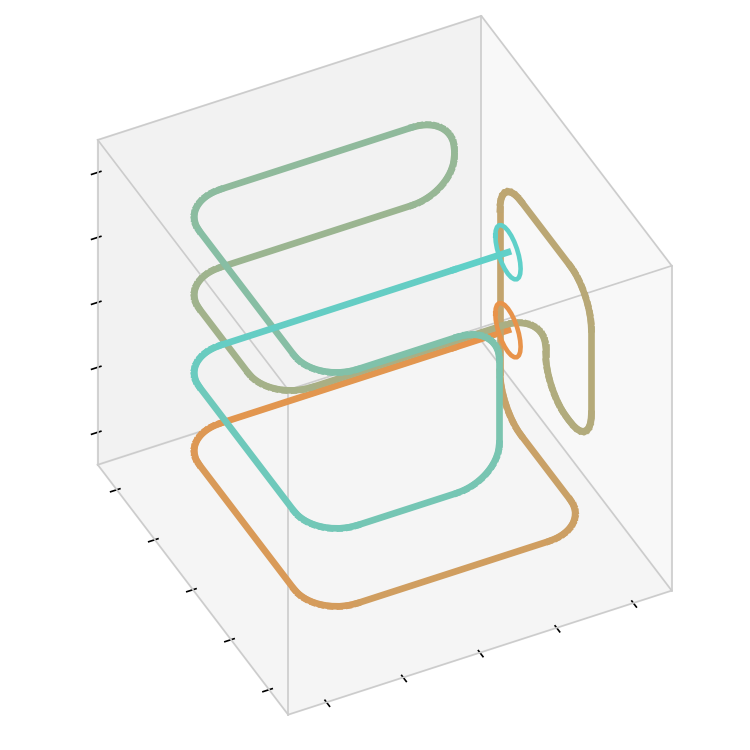
Blind Box Marble Maze / 2 holes, 2 dead ends
Free downloadable STL file for 3D printing.
A solid cube with two openings on the surface, hiding a branching tunnel maze inside, you can't see the tunnels, only the holes.
Tilt it and listen: the marble rolls until it hits a fork, and one of those forks ends in a dead pocket that sends it straight back the way it came.
Two forks, two dead ends, no shortcuts, no false leads, just enough branching to make you hesitate before committing to a turn.
→ Prints nicely at 0.2 layer height, without supports
What is it?
Every cube is a single, continuous tunnel network 3D printed straight through a solid block; no window, no removable panel, nothing to see inside.
You solve it by feel: tilt, listen for the roll, notice when it stops (a dead end) or drops out a different opening than you expected (a connector shortcut you didn't know was there), and slowly build a map of the maze in your head.
Get one, already printed for you here: thangs.com/designer/cunicode/collection/Blind Box Marble Maze
Get STL files for 3D printing here :
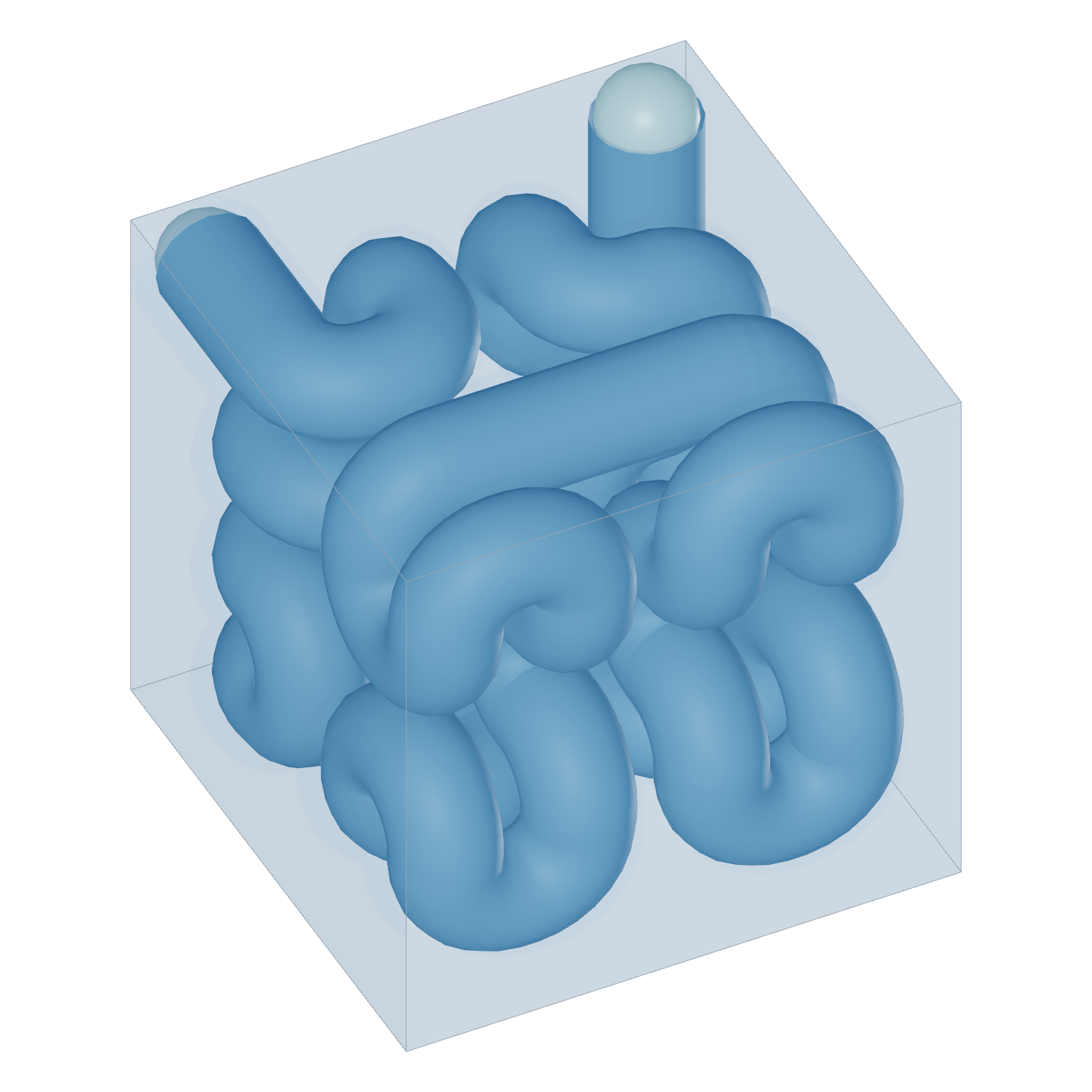
Blind Box Marble Maze
Downloadable STL file for 3D printing.
The purest version of the puzzle: a single unbroken tunnel connecting two openings on opposite sides of the cube. No branches, no dead ends, no shortcuts to second-guess, just one long, winding path and your sense of orientation.
Deceptively simple to describe, surprisingly disorienting to actually track.
Blind Box Marble Maze
Downloadable STL file for 3D printing.
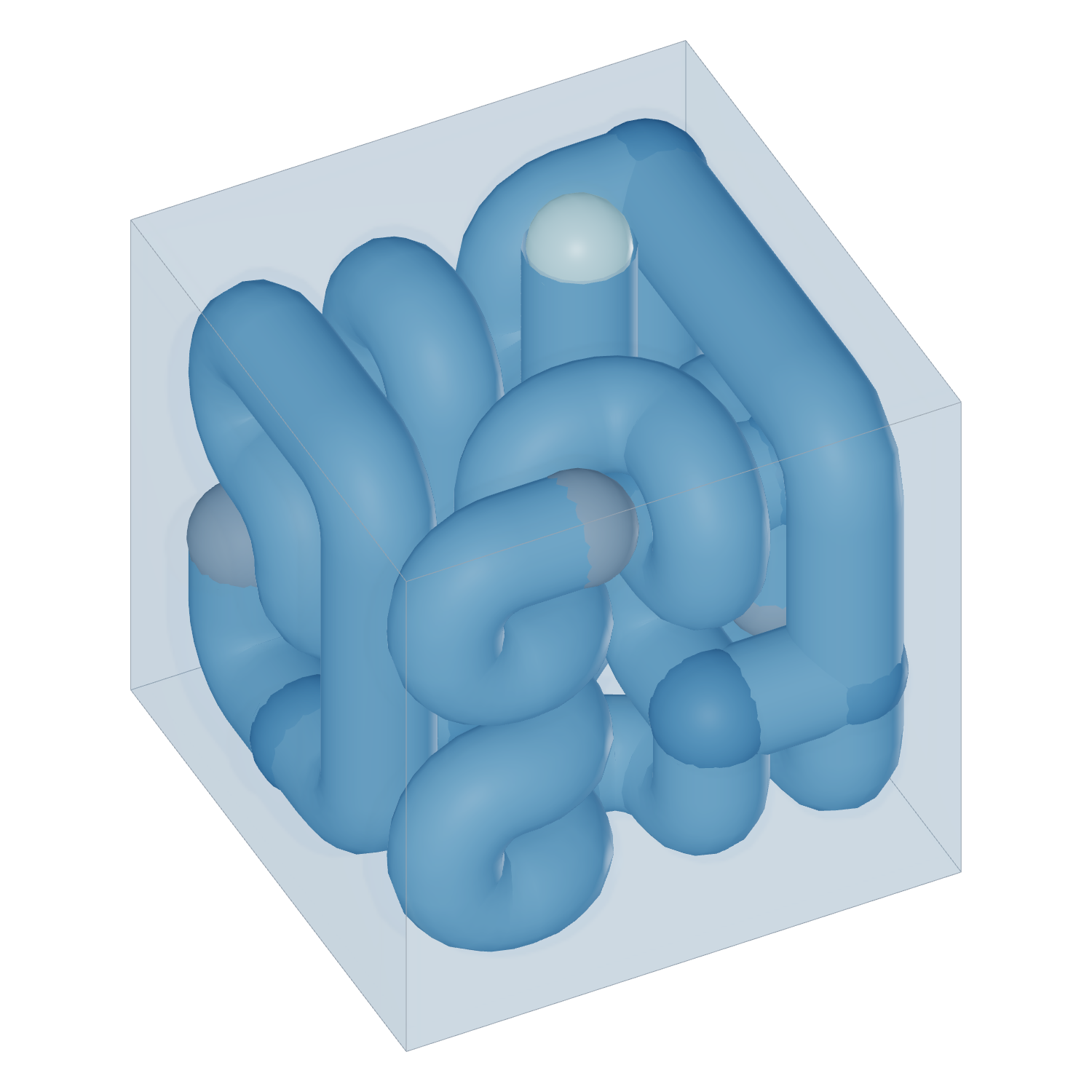
Now the maze plays tricks on you. Four blind pockets swallow the marble and send it right back where it came from, while two connector bridges quietly link parts of the maze that shouldn't be shortcuts, so the path that sounds right often isn't.
Expect to backtrack. Expect to doubt yourself.
Blind Box Marble Maze
Downloadable STL file for 3D printing.
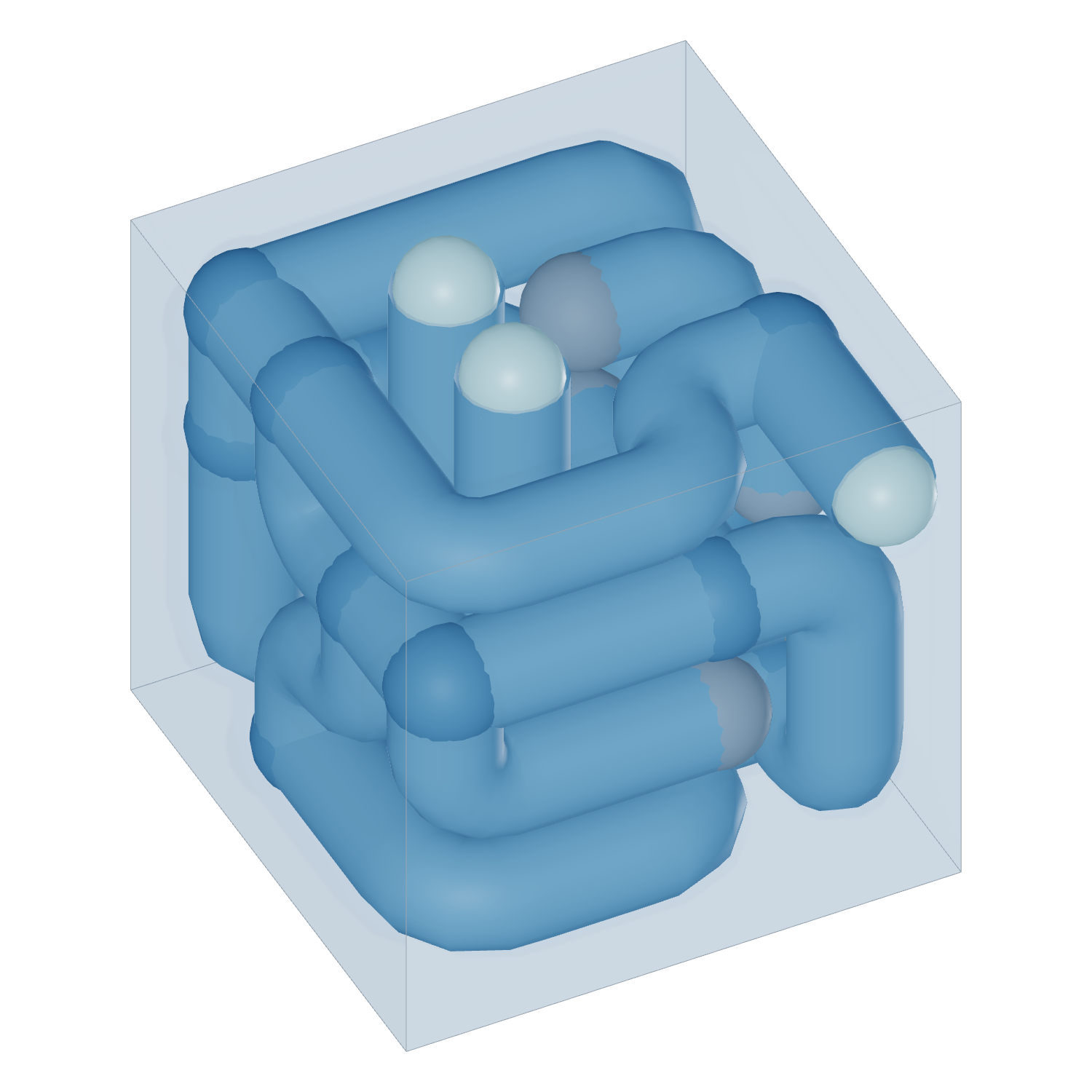
The full network. Four possible entry points, six dead ends waiting to swallow your progress, and four connector tunnels weaving unexpected cross-links through the maze, meaning there's more than one route through, and most of them are wrong.
Tracking the marble by sound alone at this complexity is a real test of patience and spatial memory.
Built for puzzle veterans who've solved everything else on the shelf.
Difficulty modes
INTENSE → 2 holes, one continuous path A single unbroken tunnel between two openings. No branches, no dead ends — just one long path and your own sense of orientation.
IMPOSSIBLE → 2 holes, 2 connectors, 4 dead ends Four blind pockets swallow the marble and send it back. Two connector bridges quietly link parts of the maze that shouldn't be shortcuts. The path that sounds right often isn't.
INSANE → 4 holes, 4 connectors, 6 dead ends Four entry points, six dead ends, four connector tunnels weaving cross-links through the whole network. More than one route through — most of them wrong.
How it's made
Each maze is generated by a script:
Build a random spanning tree over a grid of cells, using simulated annealing to hit a target number of surface openings, branch points, and dead ends.
For the harder difficulties, add "connector" bridge tunnels — extra routes woven back into the tree, turning it from a simple branching path into a real graph with shortcuts and false leads.
Sweep the whole tunnel network into a CAD solid with smoothly filleted bends (so a marble never catches on a sharp corner), and boolean-cut it out of a cube.
Before any file ships, verify the result will actually print as one correct, watertight piece — no accidental split pieces, no missed hole — by checking the solid's topology (Euler characteristic) against what the tunnel graph's structure predicts it should be.